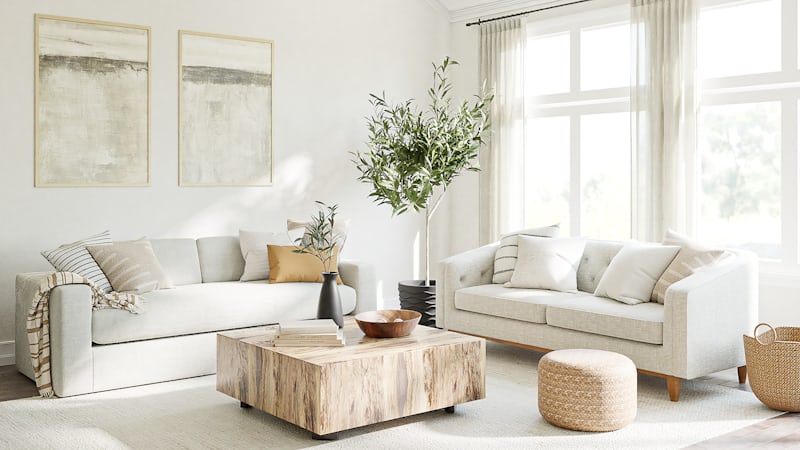
Selecting the right framework matters for achieving a cohesive look that lasts throughout the year. Whether you prefer minimalist lines or layered textures, finding the perfect cozy home decor styles will help you build a living room that reflects your personality. Explore these twenty distinct options below to see how a few thoughtful changes can redefine your surroundings.
Transforming your space into a true retreat is more than just an aesthetic choice — it’s a real step toward reclaiming your peace of mind during the colder months. Even small adjustments, like swapping a thin throw blanket for something heavier or moving a lamp closer to your favorite reading chair, can change how a room feels almost overnight.
Table of Contents
Key Takeaways
These cozy home decor styles cover every taste and budget.
- Refresh your living space to combat the post-holiday slump effectively.
- Prioritize comfort to turn any room into a true retreat.
- Use intentional design choices to create a cohesive atmosphere year-round.
- Explore diverse aesthetics that match your personal taste and daily needs.
- Small, low-cost updates can meaningfully boost your daily mood.
Defining the Essence of Cozy Home Decor Styles
This guide breaks down the cozy home decor styles that turn an ordinary house into a place you actually want to come home to. At its core, a cozy home isn’t defined by a single aesthetic — it’s defined by how a space functions and feels for the people living in it. Once you understand a few visual frameworks, you can make choices that fit your actual lifestyle instead of chasing trends.
A warm atmosphere comes down to the balance between furniture arrangement, color palette, and texture. When those three line up, a room feels inviting without trying too hard. Most well-designed spaces prioritize comfort without sacrificing visual interest — you shouldn’t have to choose one or the other.
Many of the most livable homes blend elements from several design traditions rather than sticking rigidly to one. Feel free to mix textures and styles that genuinely appeal to you; that flexible approach is part of what keeps a home feeling personal rather than staged.
| Design Element | Cozy Characteristic | Impact on Space |
| Color Palette | Warm, Earthy Tones | Increases sense of calm |
| Furniture | Soft, Rounded Edges | Promotes physical comfort |
| Materials | Natural Wood & Wool | Promotes physical comfort |
| Lighting | Layered, Soft Glow | Enhances mood and depth |
At the end of the day, a cozy home comes down to small details that make you feel at ease — whether your taste leans minimalist or eclectic. Focus on these foundational cozy home decor styles first, and the rest tends to fall into place.
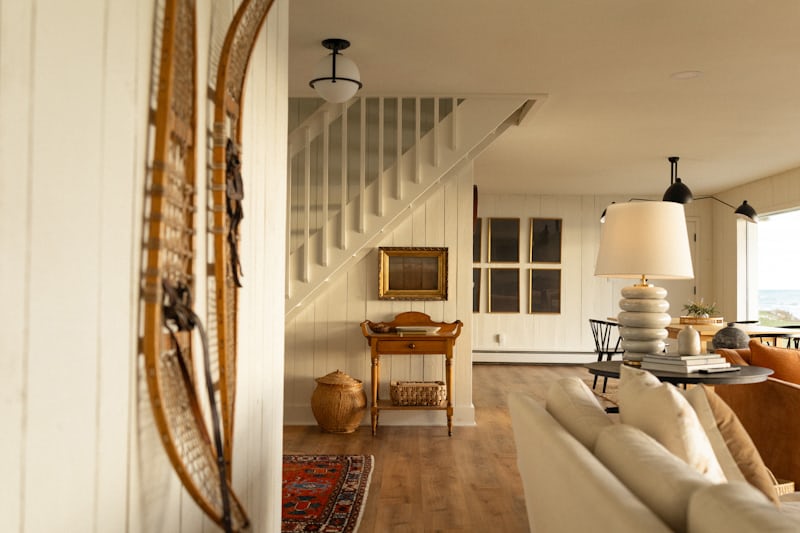
Timeless and Traditional Comfort
Creating a home that feels both stately and welcoming starts with leaning on time-honored design principles like classic farmhouse decor. These cozy home decor styles rely on historical references, symmetry, and rich textures for lasting comfort. Prioritizing quality craftsmanship over trend-chasing tends to pay off here — these looks age well.
Classic Farmhouse
Classic Farmhouse is one of the most enduring cozy home decor styles for a reason. This style celebrates utility and simple living. Think shiplap walls, apron-front sinks, and sturdy wooden furniture built to last decades, not seasons. You can refresh the look seasonally — fresh floral arrangements in spring, dried wheat bundles in autumn — without touching the bones of the room.
English Cottage
The English Cottage aesthetic is defined by cozy, layered charm and an intimate feel. Mixing floral patterns with vintage finds gives a space that lived-in quality. Soft textiles — wool throws, linen curtains — do most of the work in keeping that signature sense of ease.
Traditional Americana
Rooted in history, this style honors the spirit of the United States through classic silhouettes and a patriotic color palette. It often incorporates antique wooden pieces and folk art to tell a story of heritage. This approach creates an environment that feels both familiar and deeply personal.
Rustic Cabin
When you want to bring the outdoors inside, this is one of the more reliable cozy home decor styles to lean on. It uses natural materials — reclaimed wood, stone, leather — to evoke a mountain retreat feel. These elements together create a rugged yet inviting warmth that holds up all year.
French Country
French Country design balances elegance with provincial simplicity. It features ornate details paired with distressed finishes, creating a look that’s both sophisticated and relaxed. Refresh this style seasonally by swapping heavy velvet pillows for lighter cotton covers as the weather warms.
| Style | Primary Material | Key Feature |
| Classic Farmhouse | Painted Wood | Utility |
| English Cottage | Floral Textiles | Layering |
| Traditional Americana | Antique Oak | Heritage |
| Rustic Cabin | Reclaimed Stone | Naturalism |
| French Country | Distressed Pine | Elegance |
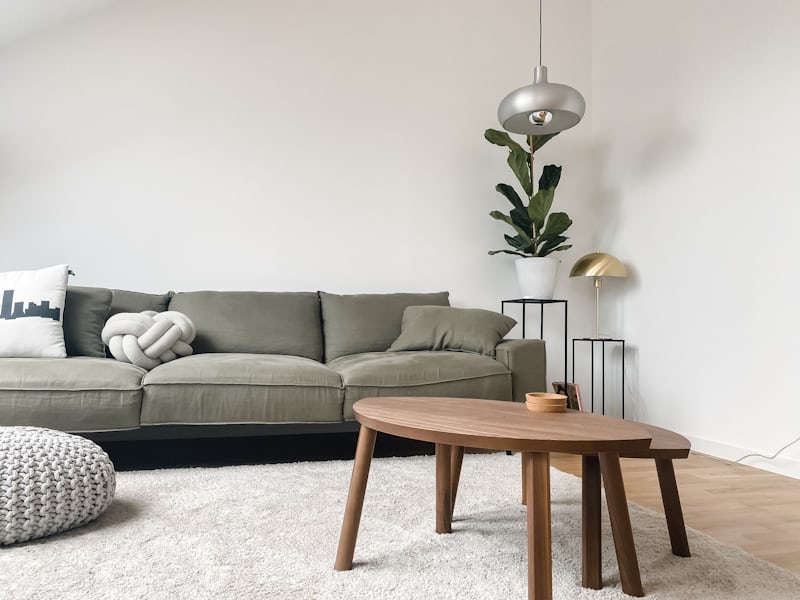
Modern and Minimalist Warmth
Minimalism doesn’t have to mean empty spaces. Done well, it’s about curating a home that feels both functional and inviting. A common worry is that minimalist interior design reads as cold, but the right approach turns it into something closer to a calm retreat. Blending clean lines with soft textures gets you a space that’s orderly and still comfortable to actually live in. These modern cozy home decor styles prove that simplicity and comfort aren’t opposites.
The key is intentionality. Negative space lets your favorite pieces breathe, while a few curated statement items add personality without tipping into clutter.
Scandi-Minimalism
Scandi-Minimalism is one of the most popular cozy home decor styles for small apartments. Expect light-toned woods, neutral palettes, and plenty of natural light. It’s a reliable way to keep a home feeling bright and airy even during the darkest months.
Japandi Fusion
Japandi is a hybrid of two beloved cozy home decor styles — Japanese and Scandinavian. Low-profile furniture and natural materials like bamboo or linen do the heavy lifting here. The result feels grounded, peaceful, and balanced.
Modern Organic
If you prefer a softer look, this style works in curved shapes and raw, natural materials. Stone accents, wool rugs, and a few well-placed plants prevent the room from feeling sterile by introducing movement and life.
Soft Industrial
Soft industrial design takes the raw edges of urban lofts and softens them with plush textiles. Picture exposed brick paired with a velvet sofa, or a heavy metal light fixture balanced by warm ambient lighting. The contrast makes the space feel edgy but still livable.
Warm Contemporary
Warm contemporary design leans on high-quality materials and layered lighting for comfort. Ambient lighting creates a soft glow that highlights the texture of your furniture — ideal if you want a modern look that still feels lived-in.
| Style | Primary Material | Key Feature |
| Soft Industrial | Light Wood | Cozy Hygge |
| Japandi | Bamboo/Linen | Balanced Zen |
| Modern Organic | Stone/Wool | Curved Shapes |
| Scandi-Minimalism | Metal/Velvet | Urban Texture |
Mastering this kind of minimalism comes down to restraint, not deprivation. Your home should still feel like yours — calm doesn’t have to mean characterless.
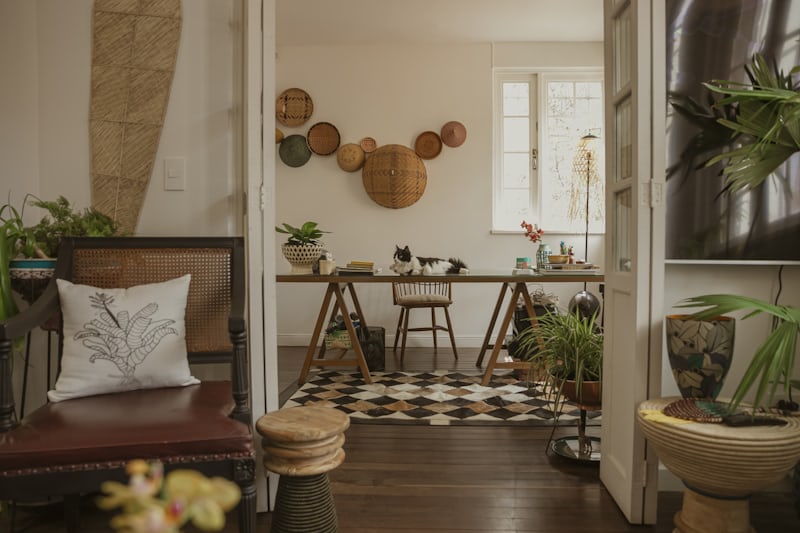
Bohemian and Eclectic Retreats
Bohemian home decor invites you to break the rules — these cozy home decor styles lean into imperfection. This design philosophy leans into imperfection and the genuine joy of collecting items that mean something to you. Comfort and self-expression do more work here than any strict formula.
Boho Chic
Boho Chic is one of the most expressive cozy home decor styles you can try. Layered textures — plush velvet pillows, faux fur throws, woven wall hangings — add depth and warmth, making a space feel inviting rather than sparse.
When considering cozy bedroom ideas in this style, lean into mixing patterns and soft fabrics. Pairing a vintage rug with modern bedding is an easy way to keep things feeling curated rather than cluttered.
Global Nomad
This approach draws inspiration from travel and cultural exploration. Incorporating artifacts, textiles, and souvenirs from your own trips gives a home real character — it’s about honoring craftsmanship from different places while keeping the overall look cohesive.
“The home should be the treasure chest of living, filled with objects that spark memories and ignite the imagination.”
Maximalist Comfort
Maximalism isn’t about clutter — it’s about the intentional display of things you genuinely love. Grouping items by color or theme keeps even a large collection feeling organized rather than overwhelming.
Vintage Eclectic
Mixing eras is a hallmark of a distinctive home. Pairing a mid-century modern chair with an antique side table creates a dialogue between past and present. Vintage Eclectic is a cozy home decor style that thrives on the unexpected.
Artisan Crafted
Supporting handmade goods adds authenticity to your decor. A hand-thrown ceramic vase or a hand-woven basket brings a human touch that mass-produced pieces can’t match. A few elements worth prioritizing:
- Hand-woven textiles for added warmth
- Unique pottery as focal points
- Natural wood accents to ground the design
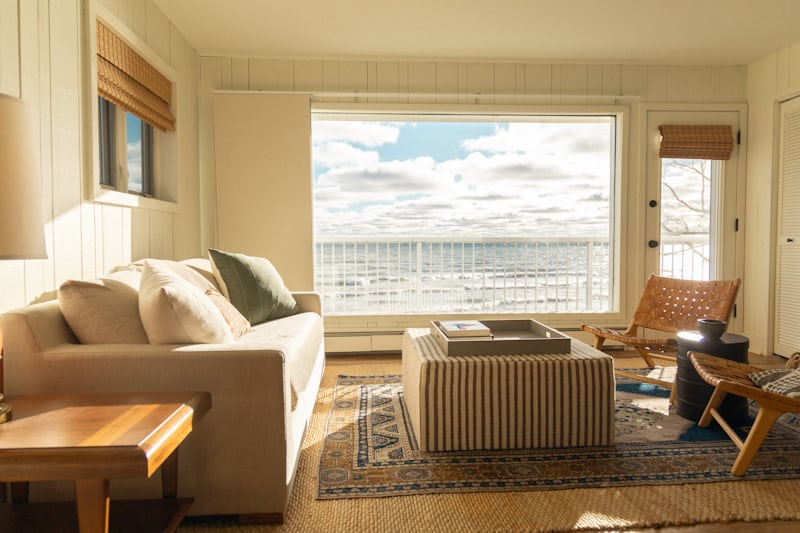
Coastal and Nature-Inspired Sanctuaries
Bringing the outdoors inside creates a peaceful space that refreshes the spirit. These coastal cozy home decor styles share one thing in common: they all prioritize light, texture, and a sense of ease over anything fussy.
Coastal Grandmother
This aesthetic celebrates a relaxed, sophisticated lifestyle centered on comfort and light. A coastal living room often features slipcovered furniture, soft linen fabrics, and a palette of whites, creams, and sandy beiges.
Desert Modern
Desert-inspired decor emphasizes warmth and clean lines. Earthy tones like terracotta, sage, and ochre mimic the landscape, while natural textures — leather, woven jute, raw wood — keep the room grounded.
Biophilic Design
Biophilic design prioritizes the human connection to nature through the intentional use of greenery and natural light. Large windows and indoor plants improve air quality and overall well-being — it turns a standard living area into something closer to a living ecosystem.
“Nature is not a place to visit. It is home.” — Gary Snyder
Mountain Lodge
A mountain-inspired home relies on heavy, durable materials like stone and timber. A reading nook by the fireplace, finished with plush wool blankets and warm ambient lighting, plays up the sense of seclusion.
Mediterranean Haven
This style draws inspiration from the sun-drenched coastlines of Southern Europe — plastered walls, arched doorways, and vibrant tile work that invite a sense of leisure. Modern farmhouse design often borrows from this tradition, blending rustic charm with cleaner, contemporary updates.
Whether you prefer the breezy feel of the coast or the rugged warmth of the mountains, these choices all prioritize comfort. Authentic materials keep a home feeling timeless for years to come.
Practical Tips for Implementing Your Chosen Style
Bringing your design vision to life involves a series of intentional steps that balance beauty with daily utility. Choosing a theme is the first move, but the real payoff comes from refining the details. Effective home organization is the foundation here — it prevents clutter from overshadowing decor you’ve put real thought into. Implementing any of these cozy home decor styles comes down to a few practical levers: color, texture, and lighting.
Selecting the Right Color Palette
A cohesive color scheme acts as the glue holding your design together. Start with a neutral base, then layer in accent colors that match the mood you’re going for. Staying consistent across rooms is what creates a sense of flow.
Consider the natural light in your space before finalizing paint or fabric choices. Lighter tones can make a small room feel larger, while deeper, warmer hues add intimacy. Trust your instincts here — the goal is a palette that feels like you.
Layering Textures for Depth
Texture is what separates a flat, showroom-style room from one that feels lived-in. Mixing materials like wool, linen, wood, and metal adds both visual interest and tactile comfort. Think a chunky knit throw draped over a sleek leather chair, or a rough-hewn wooden table paired with soft velvet cushions.
These layers invite you to actually touch and interact with your space. Combining different textures creates a multi-dimensional look that feels both sophisticated and warm.
Lighting Strategies for Ambiance
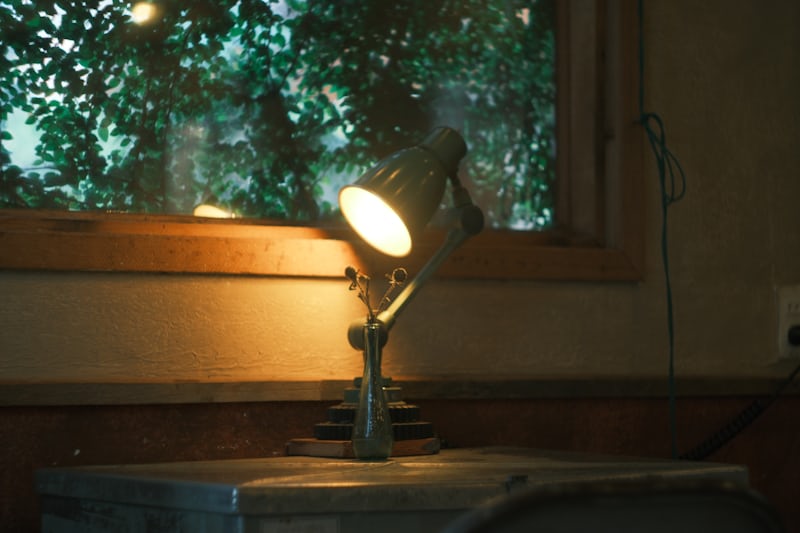
Lighting may be the single most important element for setting the mood in any room. Smart bulbs that dim as the evening progresses create a soft glow that encourages relaxation. Layering floor lamps, table lamps, and wall sconces lets you adjust brightness room by room.
For cozy kitchen ideas, focus on task lighting that’s both functional and warm. A dedicated coffee or cocoa station with under-cabinet lighting can make the heart of the home feel more welcoming during colder months.
Conclusion
Creating a personal home retreat takes a blend of intentional choices and a bit of creative vision. You have more control over your environment’s effect on your well-being than you might think.
Staying current with interior design trends gives you a helpful starting point for your own renovation journey — a roadmap to adapt, not a rulebook to follow exactly. These styles offer inspiration for blending comfort with modern aesthetics, but the best results come from fitting them to your actual lifestyle.
Focusing on soft textures and warm lighting turns any room into a peaceful retreat. Small updates often yield the most noticeable impact on your daily mood — you might start by rearranging furniture you already own, or adding a few meaningful pieces over time rather than buying a whole new look at once.
Restyling your living space is its own kind of rewarding project. It lets you express your personality while building a space that genuinely supports you. Whichever of these cozy home decor styles you land on, the real goal is a space that feels authentically yours — not a showroom.
FAQ
How can I transition my living space into a home sanctuary after the holiday season?
To combat the post-holiday slump, start by removing festive clutter and leaning into a design framework that prioritizes warmth over decoration for its own sake. Swapping in natural materials and layering a few higher-quality textiles can keep a cozy home decor styles approach going strong through the rest of winter.
What is the difference between Scandi-Minimalism and Japandi Fusion?
Both styles value clean lines and functional furniture, but Scandi-Minimalism centers on hygge, using light woods and ambient lighting to create brightness. Japandi Fusion blends Scandinavian functionality with Japanese rustic minimalism, often incorporating wabi-sabi principles and darker, organic materials for a more grounded, meditative feel.
How do I prevent a minimalist room from feeling cold or empty?
Use negative space strategically alongside a few curated statement pieces. A chunky wool throw and warm-toned ambient lighting go a long way toward preventing a space from feeling sterile. Leaning on Modern Organic elements — stone, wood, a single oversized plant — keeps a room feeling lived-in rather than staged.
Can I achieve a Bohemian look without my home feeling cluttered?
Yes — the trick is a consistent color palette that ties disparate items together. A Boho Chic or Global Nomad space feels intentional once you layer faux fur throws, velvet pillows, and a well-chosen vintage rug within a specific tonal range, rather than just accumulating pieces at random.
What are the essential elements of the Coastal Grandmother aesthetic?
This style leans on a bright, airy feel built from natural light, linen textiles, and a palette of whites and sea-glass blues. Classic, slipcovered furniture and organic textures do most of the heavy lifting — the goal is relaxed sophistication, not a literal beach theme.