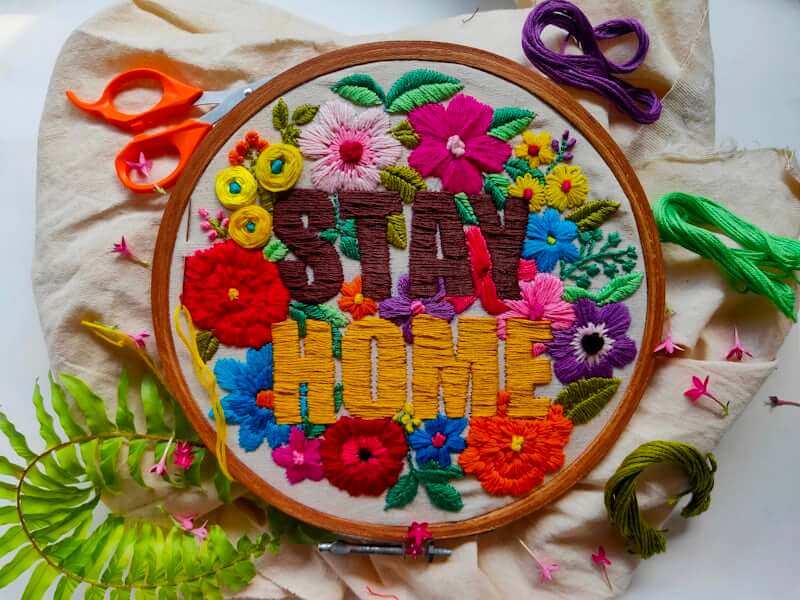
Hands-on DIY home decor ideas using easy stitching techniques — no fine-art skills required.
There’s something about handmade decor that store-bought pieces just can’t fake — a little imperfection, a personal touch, a sense that someone actually made it. These 25 cozy DIY home decor ideas use simple stitching techniques to turn everyday textiles into pieces that feel warm, doable, and personal, not gallery-perfect.
You don’t need to be a textile artist to try these DIY home decor ideas. Most start with a needle, some thread, and an hour on the couch — and several use materials you probably already have tucked in a drawer: an old sweater, leftover fabric scraps, a spare frame. If you’ve enjoyed simpler DIY home decor ideas before, these stitching techniques are the natural next step — still beginner-friendly, just with a bit more texture and detail.
This list groups 25 DIY home decor ideas into five easy categories, so you can skim straight to whatever kind of project fits your mood — soft and tactile, detailed embroidery, statement wall art, everyday functional pieces, or small paper-and-frame touches.
Explore More Cozy Inspiration: Small Space Apartment Living | Home Styling Tips
Table of Contents
Why DIY Home Decor Ideas Are Worth the Time
It’s easy to assume DIY home decor ideas are just a cheaper substitute for store-bought pieces, but the real value runs deeper than cost savings:
They’re genuinely one-of-a-kind. No mass-produced item can replicate the slight irregularity of a hand-stitched line, which is exactly what makes handmade DIY home decor ideas feel personal rather than generic.
They build a useful, transferable skill. Once you learn a basic stitch, you can apply it to dozens of future DIY home decor ideas — repairs, gifts, future projects — not just the one piece in front of you.
They’re a low-stakes creative outlet. Unlike a big renovation decision, a small stitching project is easy to undo, redo, or simply set aside if it’s not working, which makes experimenting with new DIY home decor ideas far less intimidating.
They make use of what you already own. Many of these DIY home decor ideas repurpose scrap fabric, old sweaters, or spare frames — reducing both cost and waste.
What Makes a Stitched Decor Piece Feel Cozy, Not Crafty?
Stitching projects can easily tip into “craft fair” territory if you’re not careful — think stiff felt cutouts or mismatched thread colors that read more like a kids’ project than home decor. Here’s what keeps these DIY home decor ideas feeling like CozyLivingHome instead:
Soft, warm materials. Felt, linen, wool thread, cotton rope, and other natural fibers feel cozy by default. Shiny synthetic threads or stiff acrylic felt can feel cheap fast, even on a well-designed piece.
Simple, repeated stitches. A few basic stitches done consistently look far more intentional than ten different techniques crammed into one piece. Repetition reads as “design choice,” while variety often reads as “still learning.”
A neutral or warm palette. Even bold, graphic stitching reads as elevated when it sits against cream, sage, warm wood, or soft terracotta backgrounds — rather than stark white or primary colors.
Slightly imperfect edges. A hand-stitched line that wobbles slightly, or felt that isn’t cut perfectly straight, actually signals “handmade” in a good way. Chasing machine-level precision often makes a piece look more sterile.
Keep these four principles in mind as you pick your first project from the DIY home decor ideas below.
Basic Materials & Tools You’ll Need
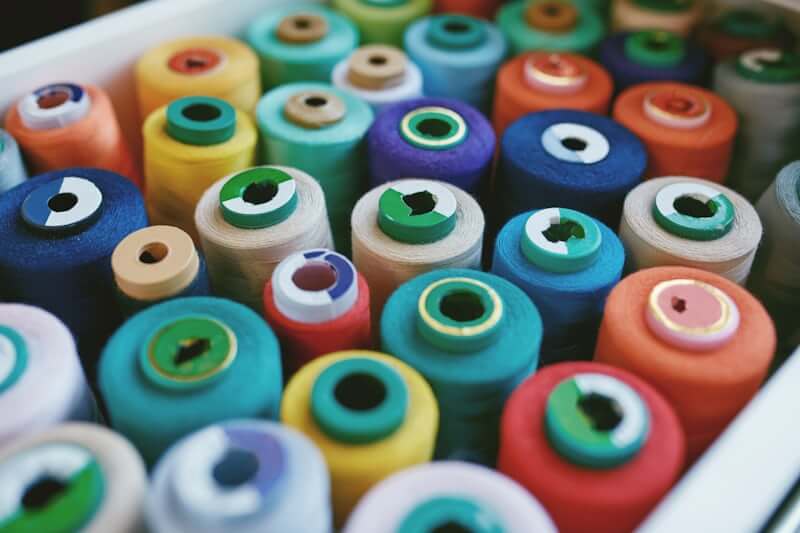
You don’t need a fully stocked craft room to start trying these DIY home decor ideas. Most only require a small starter kit:
- Needles — a basic embroidery needle set (different sizes for thread vs. yarn vs. beading) covers nearly everything on this list.
- Embroidery thread (floss) — a small multi-color pack in warm, muted tones gets you through most projects without buying separate colors each time.
- Felt — wool-blend felt holds shape better and feels softer than stiff acrylic felt; it’s worth the few extra dollars.
- Natural cord or rope — cotton macrame cord and jute rope cover the knotting and weaving projects.
- A small embroidery hoop (4–6 inch) — keeps fabric taut for cleaner stitching, especially on velvet or slippery fabrics.
- Fabric scissors and a seam ripper — for clean cuts and fixing the inevitable mis-stitch.
Total starter cost for most of this kit runs $15–25, and it’s reusable across every project on this list — so the first of these DIY home decor ideas you try is the most expensive; everything after is nearly free.
Common Beginner Mistakes (and How to Avoid Them)
A few small habits make a noticeable difference in how polished your finished DIY home decor ideas turn out:
Pulling thread too tight. This puckers the fabric. Aim for stitches that lie flat without dimpling the material underneath.
Skipping the hoop. Even simple stitches look cleaner when the fabric is held taut, especially on stretchy knits or slippery velvet.
Mixing too many thread weights in one piece. Stick to one or two thread thicknesses per project so the texture feels consistent.
Rushing the knot at the start and end. A loose knot is the most common reason a finished piece unravels weeks later — double-knot or backstitch over your starting and ending points.
Soft Texture & Touchable Details
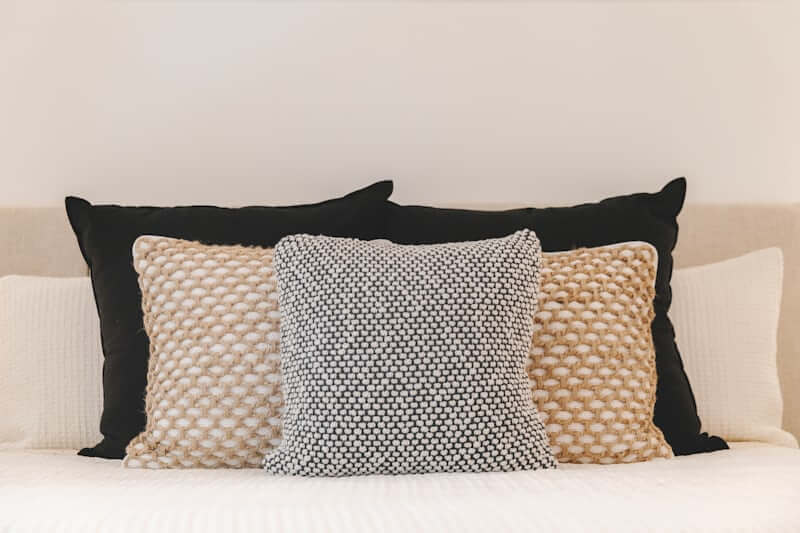
1. Add Cozy Texture to a Plain Throw Pillow With Simple Felt Shapes
Cut soft wool-blend felt into simple rounded shapes — circles, leaves, half-moons — and hand-stitch them onto a plain pillow cover using a basic running stitch around each edge. No precision cutting is required, since slightly imperfect edges only add to the handmade charm. Stick to 2–3 felt colors in the same warm family (think dusty rose, warm cream, soft terracotta) so the shapes feel like one cohesive design rather than scattered confetti. This is one of the most popular entry points into DIY home decor ideas because it’s nearly impossible to get visibly “wrong.”
2. Bring Warmth to Felt With a Few Raised Stitches
A handful of simple raised stitches — French knots or small loop stitches — gives flat felt subtle dimension without any special tools, just a needle and embroidery thread. This works beautifully as texture on a small wall hanging, a coaster set, or even stitched directly onto a fabric-covered notice board. Keep the stitches clustered rather than evenly spaced for a more organic, handmade feel.
3. Stitch a Soft Knit Texture Onto a Plain Glass Vase
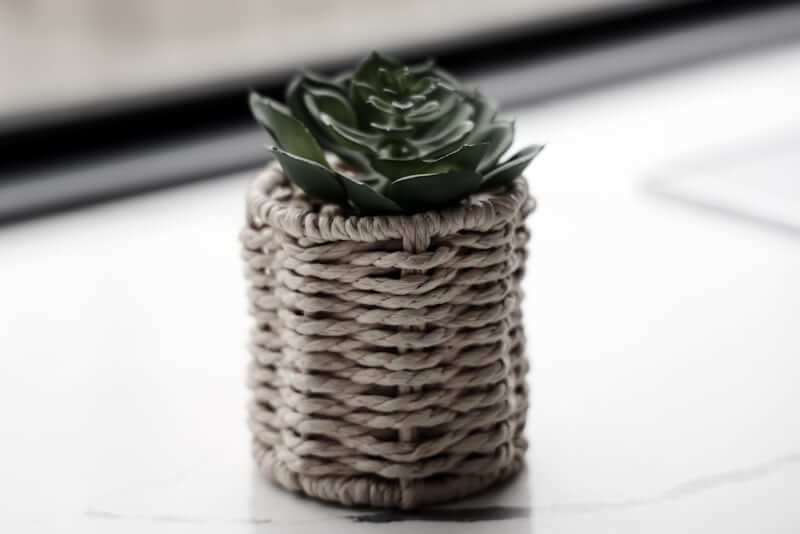
Wrap a thin strip of knit fabric or chunky yarn around a plain glass vase, securing the ends with a few hidden whip stitches on the underside where they won’t show. This turns a cold, hard glass vase into something that feels warm and touchable — ideal for displaying dried botanicals, which already lean into the same cozy, textural mood.
4. Weave a Tiny Mug Rug for Your Coffee Nook

A small woven square, sized just for one mug, is one of the most beginner-friendly weaving projects there is. Using a simple cardboard loom (just notch the edges and wrap warp threads around), you can weave a 4×4-inch square in under an hour using leftover yarn scraps. It instantly makes a coffee corner or reading nook feel intentional, like it was styled rather than just used.
Thread & Embroidery Details
5. Add a Touch of Shine With Metallic Thread Accents
A few stitches of metallic gold or copper thread along the edge of a felt shape, napkin border, or small embroidered motif adds warmth and subtle shine. The key word is “subtle” — use metallic thread sparingly, as an accent rather than the main thread color, so the piece stays elegant instead of veering into costume-craft territory.
6. Try Thread Painting for a Soft, Realistic Touch
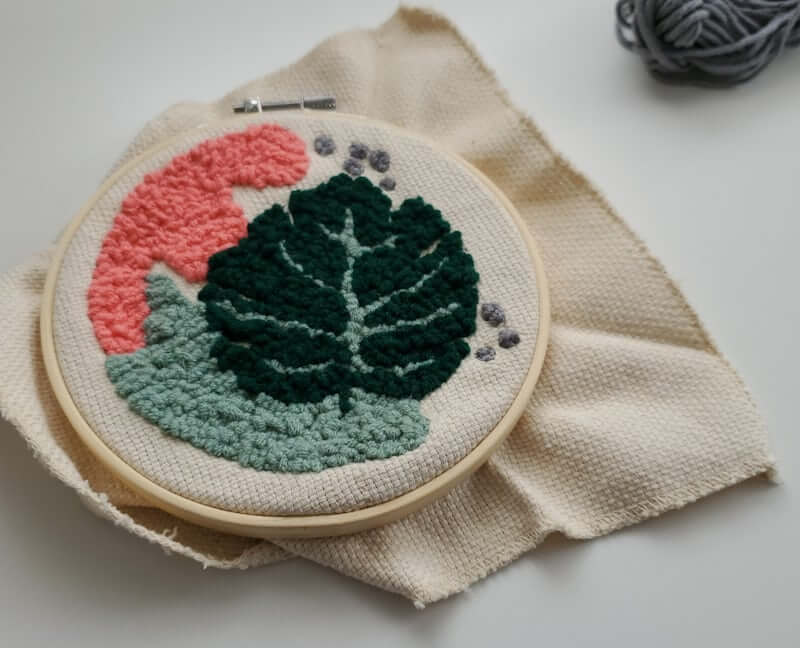
Thread painting builds up layers of long and short stitches like brushstrokes, blending thread colors to create soft gradients and realistic shading. It’s a slower technique, so it works best on a single small motif — one leaf, one simple bloom, one bird silhouette — rather than a large, detailed scene. Frame the finished piece in a small embroidery hoop and hang it above a reading chair or beside a window for a quiet, art-like accent.
7. Stitch a Bold Graphic Pattern With Cross-Stitch
A simple geometric cross-stitch pattern — diamonds, stripes, a basic chevron — in warm, muted tones makes a striking small frame piece. This is far more approachable than realistic cross-stitch portraits, since geometric patterns are forgiving of small counting mistakes and look intentional even with the occasional uneven row.
8. Bring a Motif to Life With Directional Satin Stitch
Satin stitch fills a shape with long, parallel stitches worked in one consistent direction, giving even a simple outline — a moon, a single leaf, an initial — a smooth, polished look. Practice the stitch on scrap fabric first, since keeping the tension even is the main skill involved; once it clicks, it becomes one of the most versatile satin stitch tension tips for small decor pieces.
9. Create a Raised Monogram With Padded Stitching
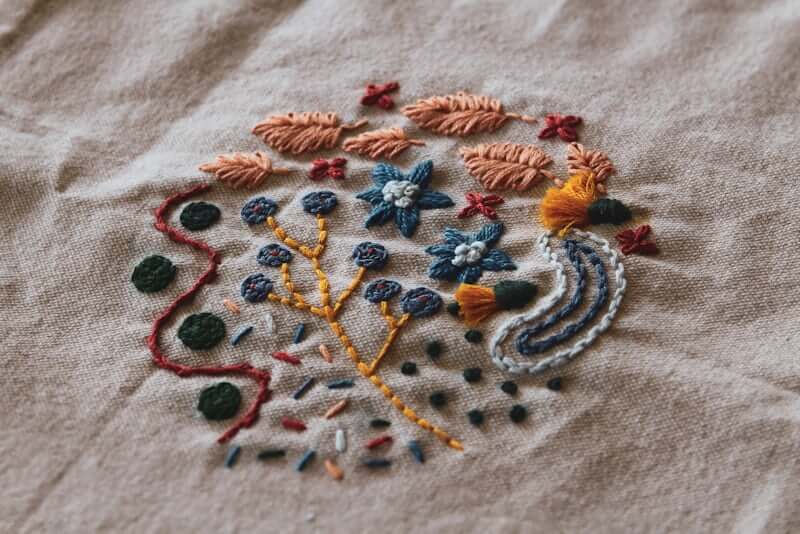
A padded monogram starts with a layer of extra stitches or felt padding underneath the letter shape, then satin stitch worked over the top to create a slightly raised, dimensional letter. Stitched onto a linen pouch, a pillow corner, or a small zip pouch, it adds a personal touch that feels genuinely custom-made rather than mass-produced.
10. Add Folk-Inspired Borders to Kitchen Linens
A simple repeating border stitch — small flowers, dots, or a wavy vine pattern — along the edge of plain cotton or linen tea towels brings warmth and personality to an everyday kitchen item. Folk-inspired patterns are traditionally forgiving of imperfect symmetry, which makes them an easy, low-pressure way to practice embroidery on something genuinely useful.
Statement Wall & Textile Art
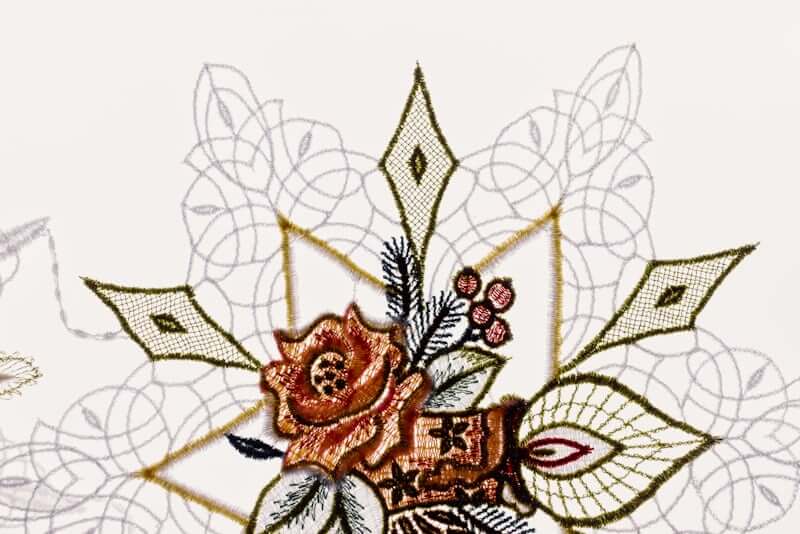
11. Stitch on Velvet for a Dramatic, Cozy Contrast
Velvet holds stitches beautifully and catches light in a way that makes even simple embroidery look rich and elevated. Because velvet’s pile can shift and bunch under tension, work with a hoop to keep the fabric taut, and stick to a simple, low-stitch-count design — a single botanical sprig or geometric line — for a small framed accent piece near a reading chair or above a console table.
12. Create Abstract Texture With Punch Needle
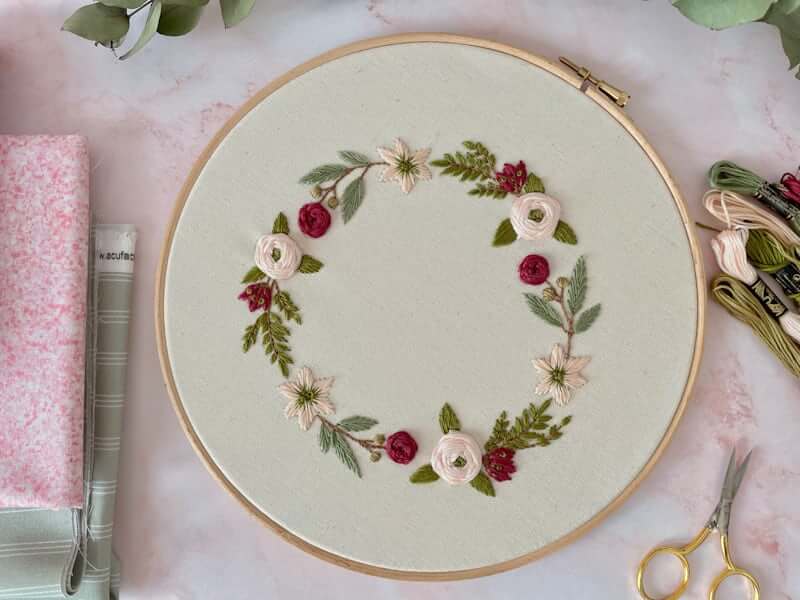
Punch needle is one of the most forgiving textile techniques for true beginners: a punch needle tool pushes loops of yarn through a stretched base fabric to create a soft, looped texture, with no traditional stitching skill required. Loose, abstract shapes in warm wool yarn — clouds, organic blobs, soft waves — make a tactile wall piece that looks intentionally modern rather than literal.
13. Build a Coiled Rope Bowl for Everyday Storage
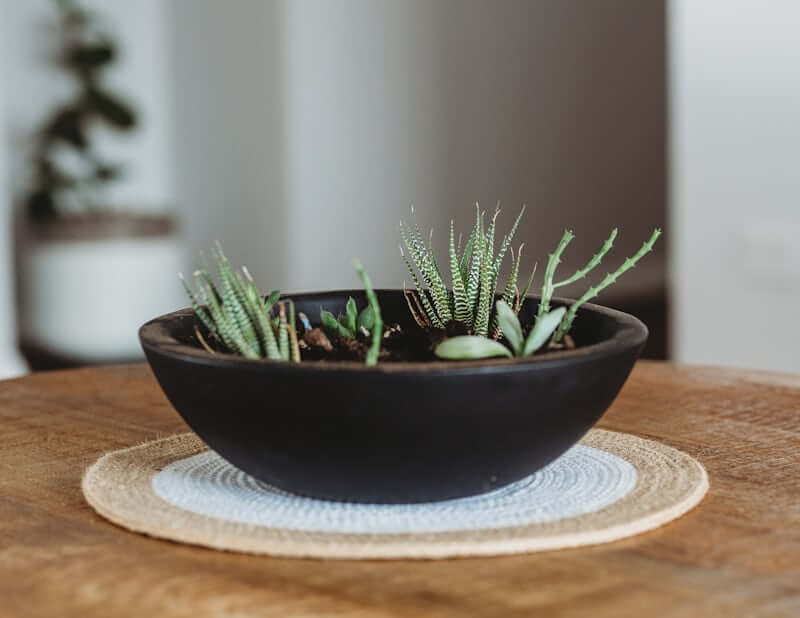
Coiling cotton rope into a spiral and stitching each round to the one beneath it (using a simple whip stitch and embroidery thread) creates a sturdy, textural bowl. It doubles as a catch-all for keys, jewelry, or small succulents, and the natural rope texture pairs beautifully with warm wood surfaces. No weaving experience is needed — just patience for the coiling and stitching rhythm.
14. Use Couching for Bold, Textured Outlines
Couching involves laying a thicker cord or chunky yarn on top of fabric, then using small stitches in a contrasting or matching thread to tack it down at intervals. It’s one of the easiest ways to outline a bold shape — a simple arch, a wave, an abstract line — with dramatic texture, perfect for a statement cushion cover or a textile piece inside an embroidery hoop.
15. Add Luminous Detail With Bead Embroidery
Hand-stitching a scattering of small glass or wooden beads along the edge of a small textile piece, or clustered within a simple motif, catches the light beautifully without requiring full beadwork expertise. Attach beads with a simple back-stitch motion (needle up through the bead, back down right beside it) and keep the bead color palette warm and muted — amber, bronze, soft cream — to stay in line with the cozy aesthetic.
16. Stitch a Minimalist Triptych for a Gallery Moment
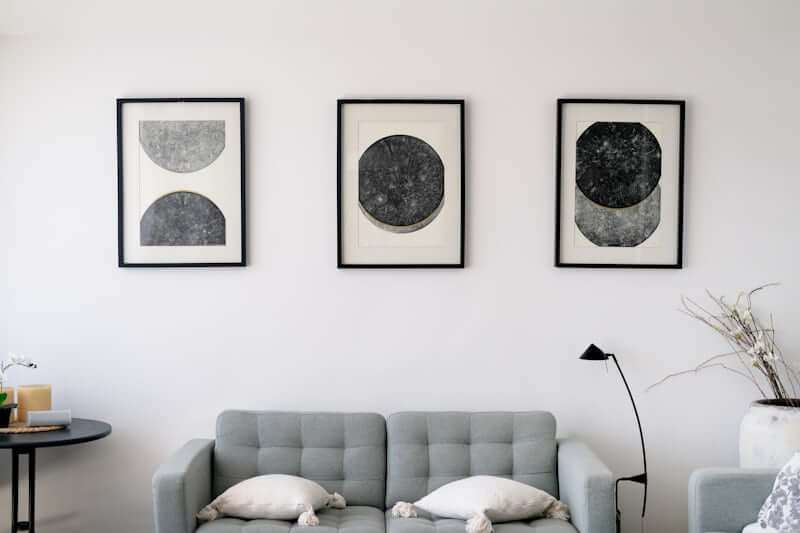
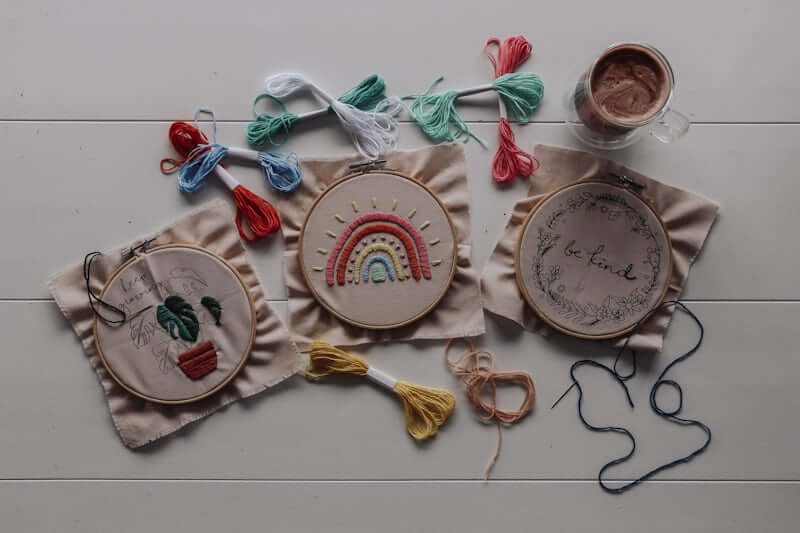
Three small matching embroidery hoops, each holding one simple, repeated motif (a single dot, a small leaf, a short line), make an easy and far more approachable substitute for a traditional framed gallery wall. Hang them in a straight horizontal row with even spacing for a calm, considered look that reads as curated rather than cluttered.
Functional Textile Projects
17. Embellish Curtain Tie-Backs With Mixed Textures
Combine a strip of soft linen, a length of natural rope, and one or two wooden beads to create a tie-back that feels styled rather than purely functional. Simply stitch the linen strip into a loop, thread the rope through, and knot a bead at the end — a project that takes less than 20 minutes per pair and instantly elevates plain curtains. This is one of the quickest DIY home decor ideas on the whole list.
18. Add Subtle Embroidered Elegance to Linen Napkins
A single small embroidered detail in one corner of a plain linen napkin — a tiny leaf, a cluster of three dots, a thin curved line — elevates an everyday dinner setting without requiring you to embroider all four corners or the whole border. This restrained, “one small detail” approach is what keeps it feeling elegant rather than busy.
19. Frame a Mirror With Simple Macrame Knots
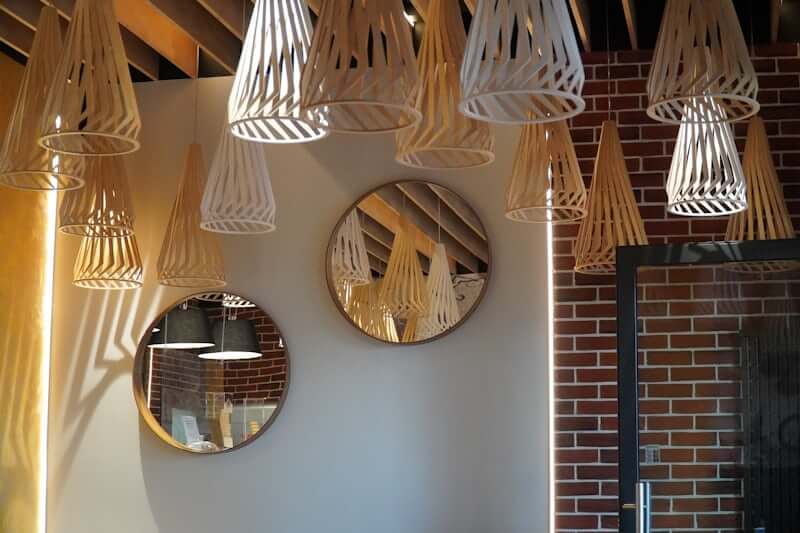
A few rows of basic square knots, worked around a plain round mirror using cotton macrame cord glued or tied at the back, instantly adds texture and a handmade frame with no carpentry required. This works especially well on smaller mirrors (12–16 inches), where the knotting stays manageable in a single sitting.
20. Weave a Beaded Votive Cover for Warmer Candlelight
A small woven or beaded sleeve, fitted loosely around a glass votive candle holder, softens the light into a warmer, more diffused glow and adds texture to a coffee table or mantel display. Even a simple looped-bead string wrapped twice around the glass achieves the effect without any actual weaving needed.
21. Mix Wooden Beads Into a Macrame Plant Hanger
Adding a few natural wooden beads between the knots of a basic macrame plant hanger brings warmth and texture that plain cord alone doesn’t achieve. Thread the beads onto the cord before starting your knot pattern, sliding them into place at even intervals as you work down the hanger.
Paper, Frames & Small Details
22. Combine Fabric and Paper for a One-of-a-Kind Bookmark
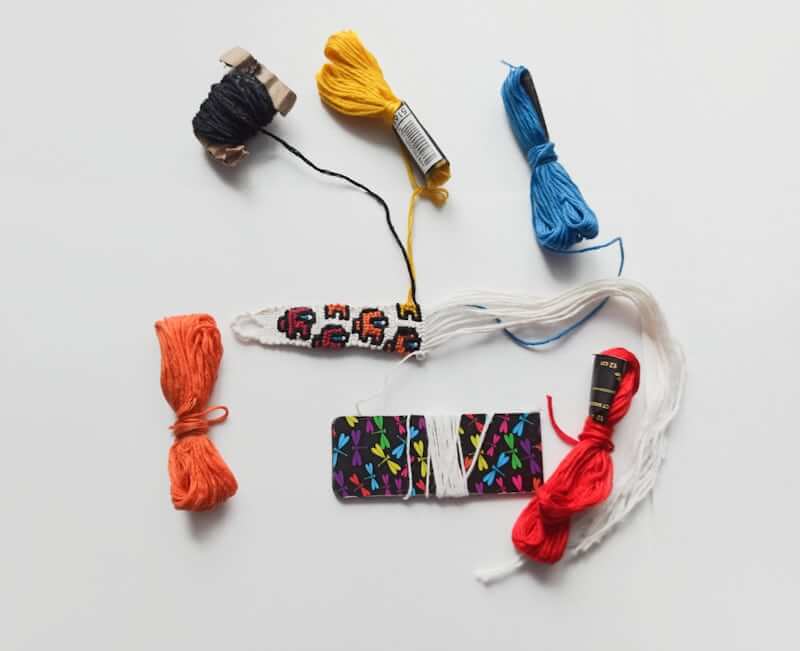
Layering a small fabric scrap (linen or felt works best) onto sturdy cardstock, then finishing the edge with one or two decorative stitches — a simple blanket stitch works well — makes a personal, low-cost bookmark or gift topper. A small punched hole and a short length of ribbon or twine finishes it off.
23. Add Elegant Stitched Details Onto Paper
A few hand-stitched lines or dots, sewn directly through sturdy cardstock with a needle and embroidery thread, add unexpected texture to handmade greeting cards or small framed paper art. Pre-poking the holes with a pin first makes stitching through paper much easier and prevents tearing.
24. Embellish a Plain Photo Frame With Small 3D Stitches
A small cluster of raised stitches — French knots or tiny loop stitches — worked into one corner of a fabric-wrapped or linen-covered photo frame adds a handmade detail without competing with the photo itself. Keep the stitched detail small and tucked into a single corner rather than spread across the whole frame.
25. Craft a Modernist Collage From Fabric Scraps
Layer leftover fabric scraps — different textures and warm tones work best — in a simple geometric arrangement on a piece of canvas or sturdy backing fabric, securing each piece with a few visible running stitches rather than glue. This is one of the best “use up your scrap bin” projects on the list, turning fabric remnants into an abstract textile collage worth framing.
How to Care for Your Finished Stitched Decor
A little maintenance keeps these DIY home decor ideas looking good for years, not just for the first few weeks:
- Spot clean, don’t machine wash, embroidered pieces. Hand stitching can loosen in a washing machine. A damp cloth and mild soap handle most spills.
- Keep beaded or metallic-thread pieces out of direct sun. Prolonged sunlight can dull metallic thread and fade dyed beads over time.
- Store felt pieces flat, not folded. Folding can crease wool-blend felt permanently; rolling or laying flat preserves the shape.
Re-knot loose macrame ends as needed. Natural cord can loosen slightly with handling — a quick re-tightening keeps mirror frames and plant hangers secure.
Which Projects Should You Try First? A Quick Skill Guide
If you’re brand new to stitching, start with projects that use a single basic stitch and forgive imperfect lines:
- True beginner: #1 (felt shapes), #4 (mug rug), #17 (curtain tie-backs), #18 (napkin detail), #22 (bookmark)
- Some experience helpful: #6 (thread painting), #7 (cross-stitch), #9 (padded monogram), #12 (punch needle), #19 (macrame mirror)
- More involved / a full afternoon: #11 (velvet embroidery), #13 (coiled rope bowl), #16 (triptych), #25 (fabric collage)
Working through a few “true beginner” DIY home decor ideas first builds the hand-eye coordination and stitch tension control that make the more involved pieces feel far less intimidating when you get to them.
Start With Just One
With 25 DIY home decor ideas on this list, it’s easy to feel like you need to try them all. Don’t. Pick the project that uses skills or materials you already have on hand — a few felt scraps, an old napkin, some leftover yarn — and start there. One finished piece is far more motivating than ten half-started ones sitting in a project basket. Once you’ve finished your first, the next idea on the list will feel a lot less intimidating.
Final Thoughts
Stitched decor has a way of making a home feel cared for in a way that’s hard to buy off a shelf. None of these DIY home decor ideas require fine-art training or expensive materials — just a little patience, soft natural materials, and a willingness for things to look slightly imperfect. That imperfection is usually exactly what makes a handmade piece feel like home, rather than like something pulled straight from a catalog.
Frequently Asked Questions
What’s the easiest stitching project for a complete beginner?
Adding simple felt shapes to a plain pillow cover or stitching folk-inspired borders onto tea towels are both forgiving, low-skill starting points that don’t require any prior embroidery experience.
Do I need a sewing machine for these DIY home decor ideas?
No — every project on this list can be done by hand with a basic needle and thread. A few, like the coiled rope bowl or punch needle wall art, use simple specialty tools, but none require a machine.
What materials make stitched decor feel cozy instead of crafty?
Stick to natural, soft materials — felt, linen, wool yarn, cotton rope, wood beads — and a warm or neutral color palette rather than bright synthetic threads or stiff craft-store felt.
Can these DIY home decor ideas work as gifts?
Yes — smaller projects like embroidered bookmarks, beaded votive covers, and monogrammed pouches make personal, low-cost handmade gifts that take under an hour to finish.
How long do these projects typically take?
Most small projects (bookmarks, mug rugs, simple embroidery) take under an hour. Larger pieces like macrame mirror frames, coiled rope bowls, or a full triptych of hoop art may take a full afternoon.