
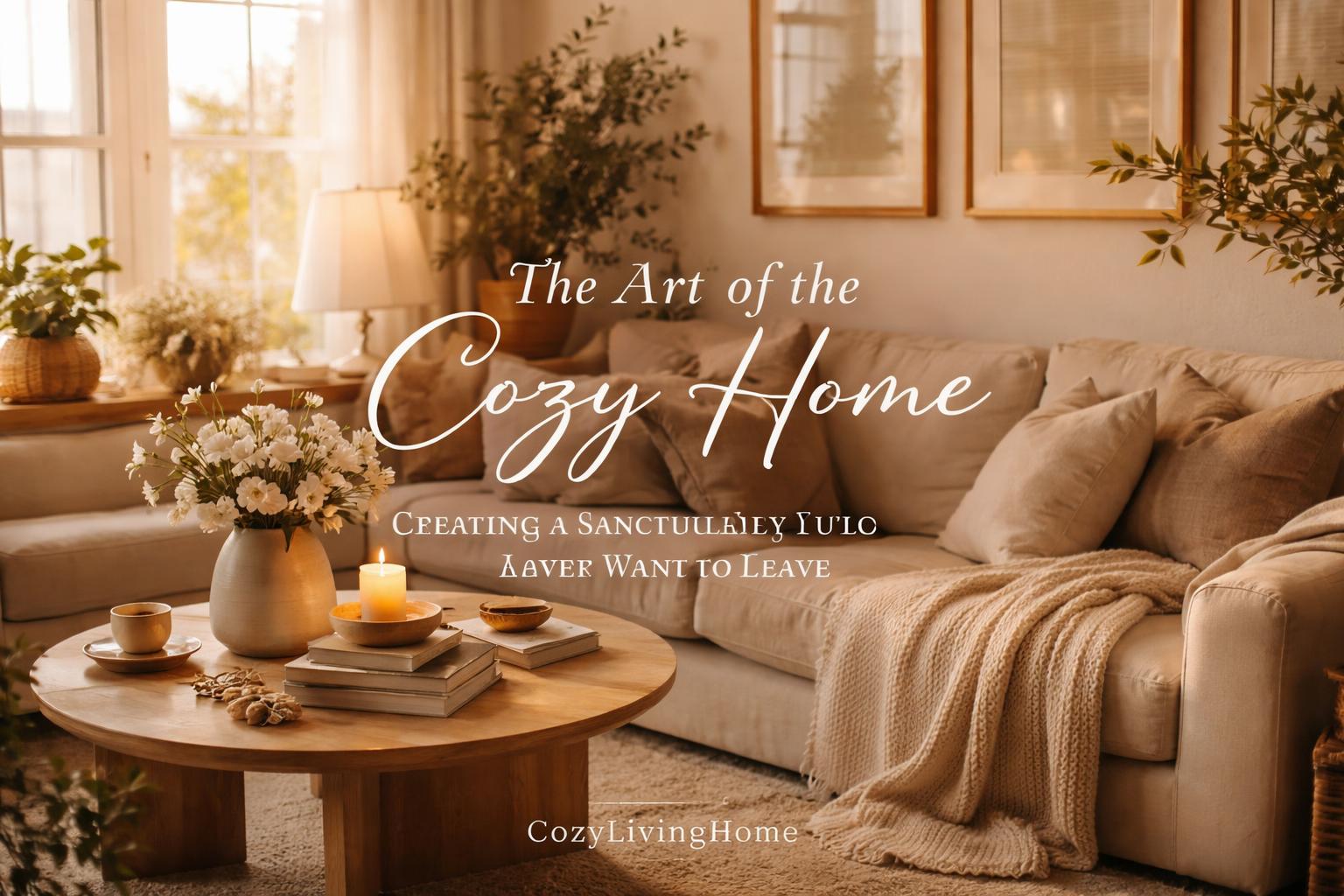
In professional interior design, the den is rarely treated as “extra space.” It is usually one of the most strategically important rooms in a home because it sits between function and relaxation—work, reading, entertainment, or quiet retreat.
Yet in many homes, the den becomes the most neglected area: a storage zone, an afterthought seating corner, or a room without identity.
From a design consultancy perspective, this happens for one simple reason: the space lacks intentional structure.
A well-designed den is not defined by size or budget. It is defined by how effectively four core design systems work together:
Spatial planning (layout and flow)
Lighting hierarchy (ambient, task, accent)
Material balance (warm vs. structured textures)
Functional zoning (clear purpose areas)
When these principles are applied correctly, even a small den can feel professionally designed, calm, and highly usable.
Below are 20 real-world inspired den concepts used in residential interior projects, explained in a practical and structured way.
1. Modern Minimalist Den (Controlled Simplicity Design)
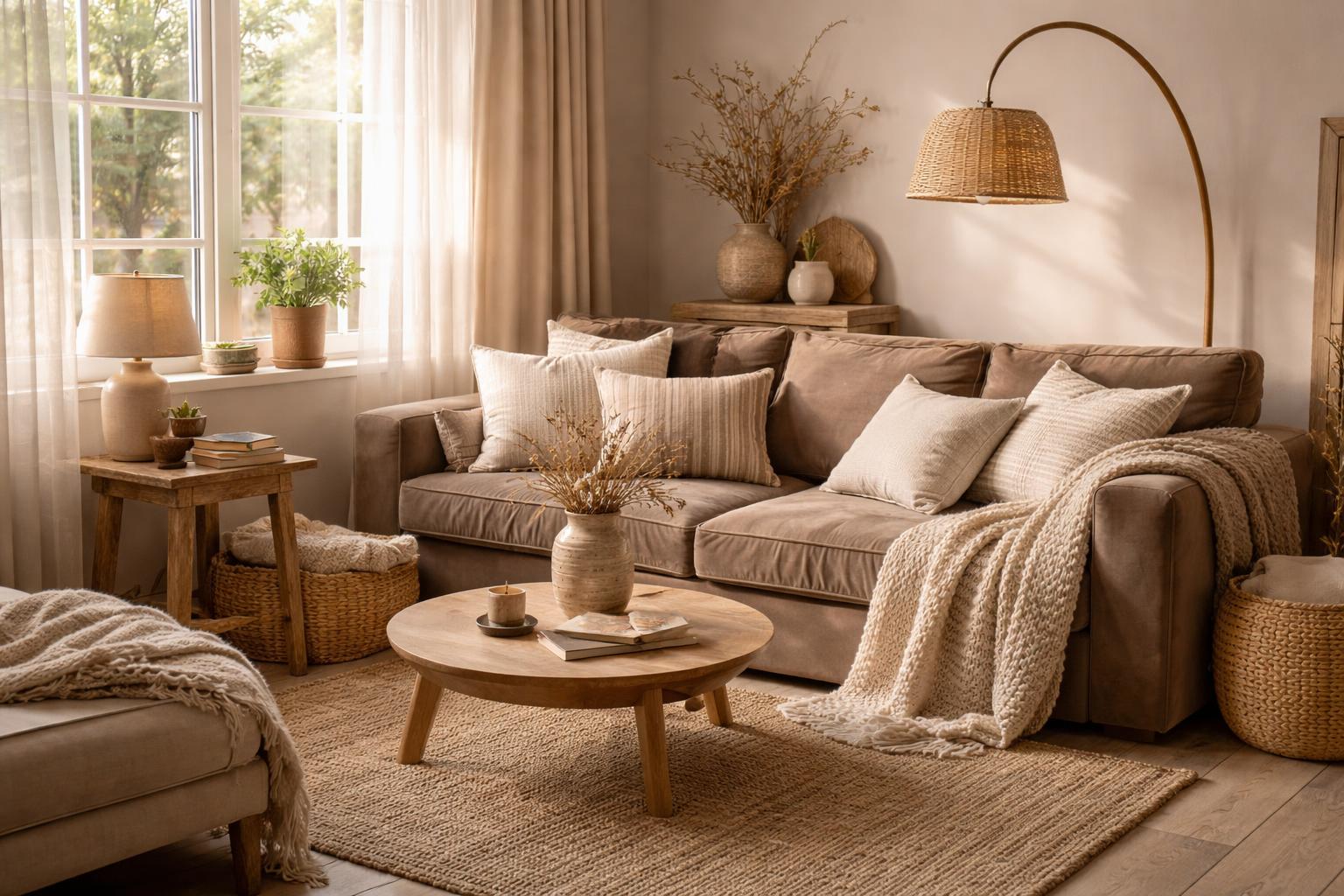
A modern minimalist den is built on visual discipline. Designers start with a neutral foundation—white, soft beige, or warm gray—to eliminate visual distraction and increase spatial clarity.
However, minimalism is often misunderstood. In professional practice, it is not about emptiness—it is about intentional selection.
Every piece must justify its presence.
To avoid a cold atmosphere, natural materials are introduced in moderation: wood grain, linen upholstery, or matte stone finishes. These elements create warmth without disrupting the clean structure of the space.
2. Rustic Cozy Den (Natural Material-Driven Design)

Rustic design relies heavily on authenticity. It prioritizes materials that feel raw, organic, and slightly imperfect—especially wood, stone, and natural textiles.
In real design projects, rustic dens are not heavily decorated. Instead, they are material-focused spaces where texture does the visual work.
A successful rustic den often pairs rough wood surfaces with soft fabrics such as cotton or wool. This contrast creates depth and prevents the space from feeling overly heavy.
3. Industrial Cozy Den (Structured Warmth Balance)
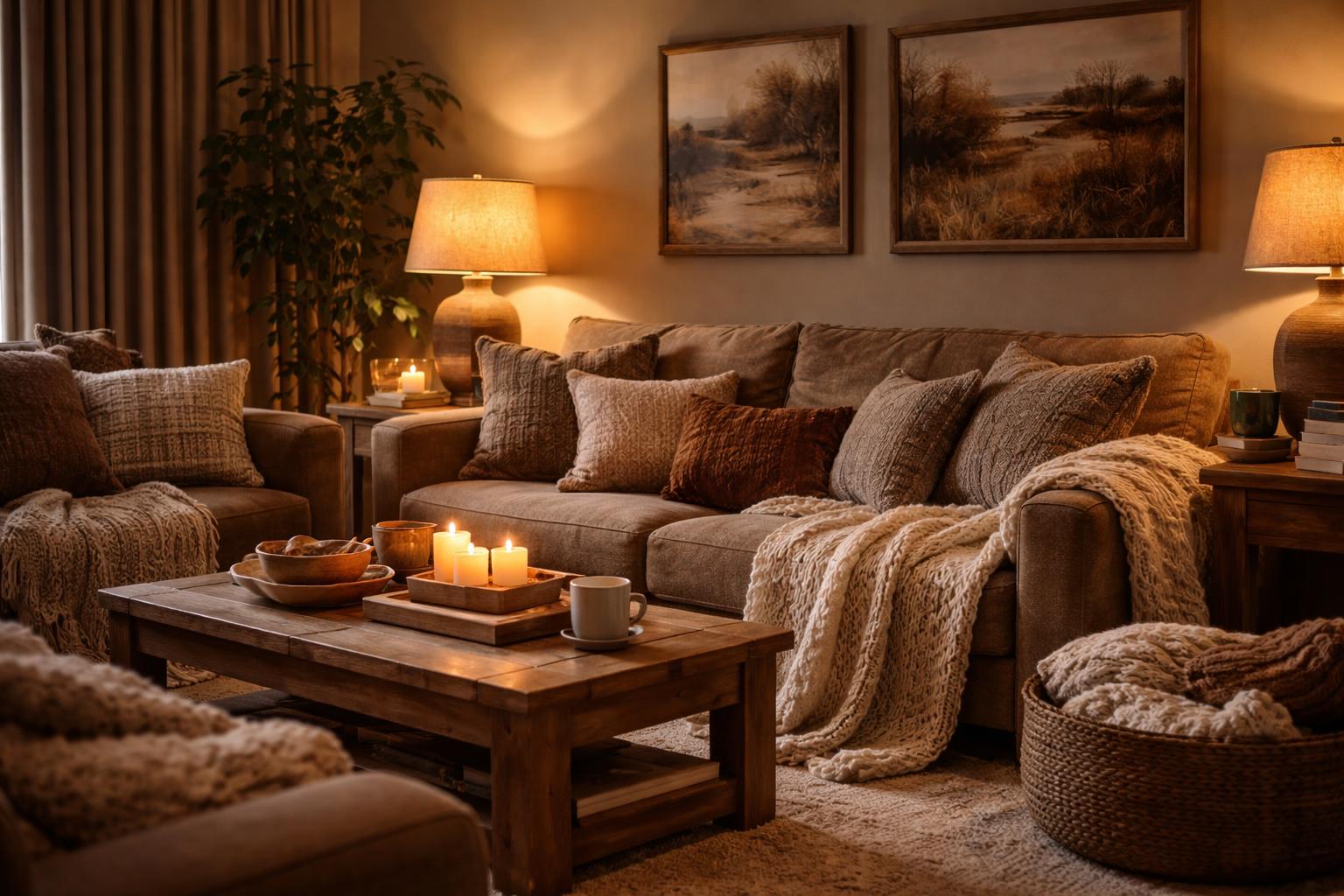
Industrial design introduces architectural honesty—exposed brick, metal framing, and unfinished surfaces.
The challenge is not achieving the industrial look, but making it livable.
Interior designers typically soften industrial spaces using three elements:
Warm ambient lighting
Fabric-based seating
Layered rugs for acoustic softness
This controlled contrast transforms a raw aesthetic into a functional living environment.
4. Scandinavian Light Den (Light Optimization Design)

Scandinavian interiors are built around one principle: maximize natural light.
A typical Scandinavian den uses pale tones and natural wood flooring to reflect light and increase visual openness.
To prevent the space from feeling sterile, designers introduce subtle warmth through textiles—linen curtains, wool throws, or soft neutral cushions.
The result is a room that feels calm, breathable, and psychologically balanced.
5. Cozy Library Den (Focus-Oriented Spatial Design)

A library den is designed for sustained focus and mental quietness.
In professional layouts, shelving is not just storage—it becomes a structural element that defines the room.
Key design priorities include:
Ergonomic seating for long use
Layered lighting (reading + ambient)
Accessible surface space for daily use
This is one of the most function-driven den styles used in residential design.
6. Coastal Cozy Den (Natural Light Harmony Concept)
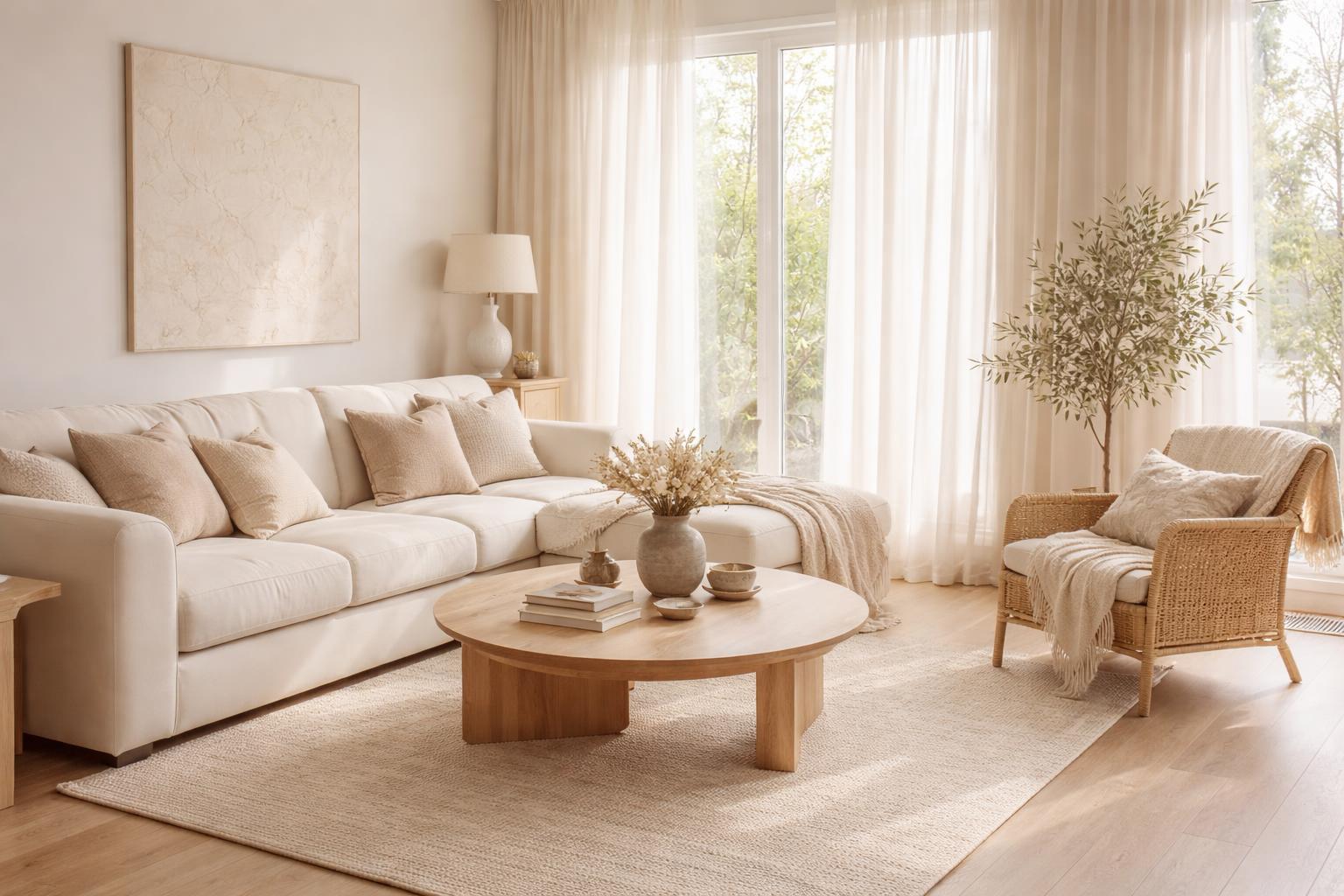
Coastal-inspired dens replicate the feeling of openness and calm found in natural coastal environments.
Soft whites, sand tones, and muted blues dominate the palette.
Natural light is not just preferred—it is essential. Designers often avoid heavy window treatments to maintain brightness throughout the day.
7. Mid-Century Cozy Den (Timeless Functional Geometry)

Mid-century design remains popular because it combines form and function efficiently.
It is defined by:
Clean geometric furniture
Warm wood tones
Controlled accent colors
In professional use, accents like mustard or olive are applied sparingly to avoid visual overload.
8. Bohemian Cozy Den (Structured Expression Design)

Bohemian interiors allow personal expression, but successful execution still requires structure.
Designers typically enforce:
A controlled color palette
Repeated textile tones
Layered but curated decor
Without this structure, boho spaces can quickly become visually chaotic.
9. Glam Cozy Den (Soft Luxury Balance)
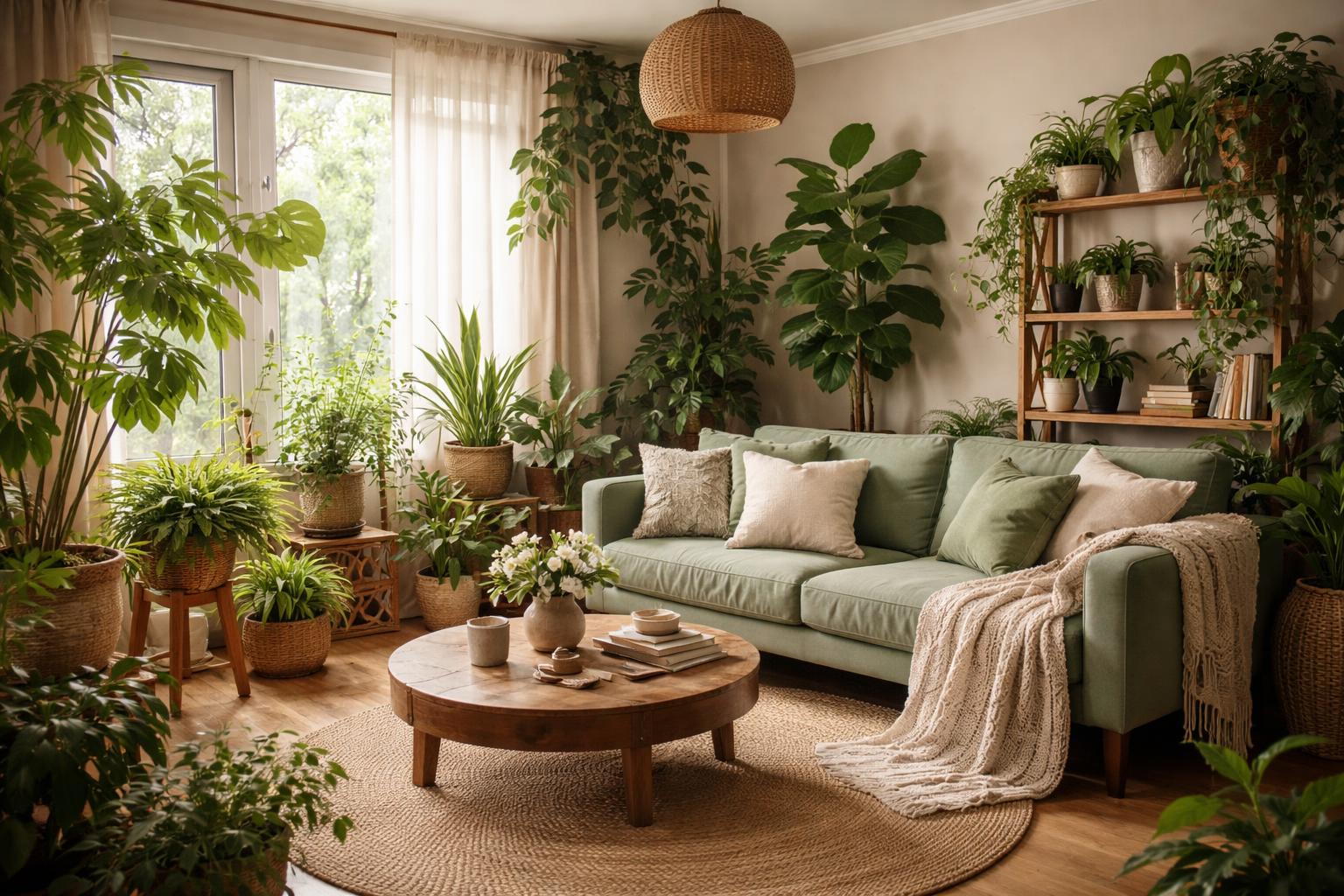
Glam design introduces refinement through texture contrast: velvet, satin, glass, and metallic accents.
The key is restraint.
Too many reflective surfaces can make the space visually unstable, so designers balance shine with matte finishes and soft textiles.
10. Classic Cozy Den (Timeless Stability Design)
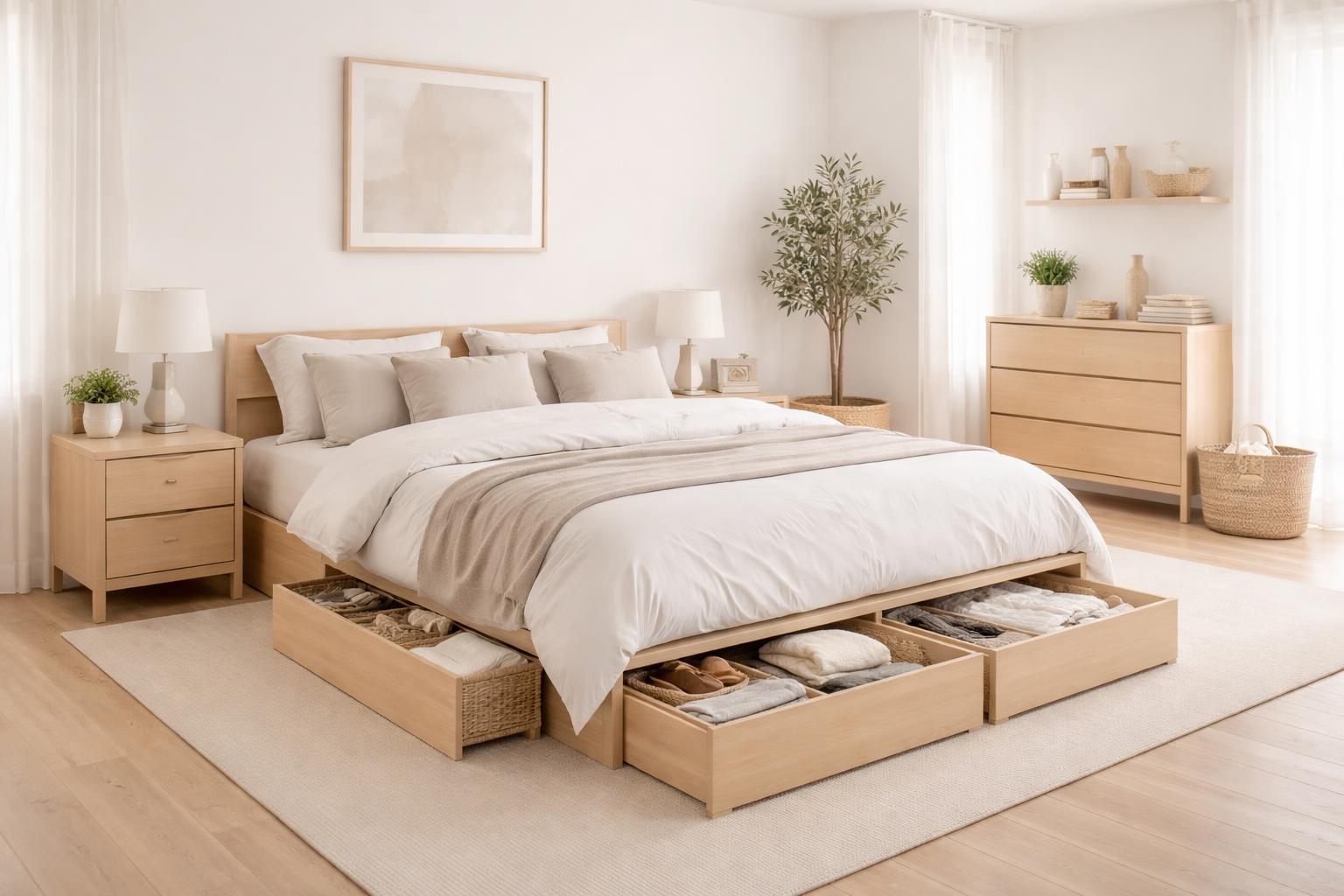
Classic dens are built for long-term visual stability.
They rely on neutral tones, symmetrical layouts, and familiar furniture shapes.
Personal elements such as books, framed photographs, or subtle decor pieces introduce emotional warmth without disrupting structure.
11. Moody Cozy Den (Atmospheric Depth Design)

Moody interiors use deeper tones such as navy, charcoal, and forest green to create emotional depth.
However, darker palettes require careful lighting planning.
Professional designers use layered lighting systems to prevent the space from feeling closed or visually heavy.
12. Media Den (Controlled Entertainment Space)
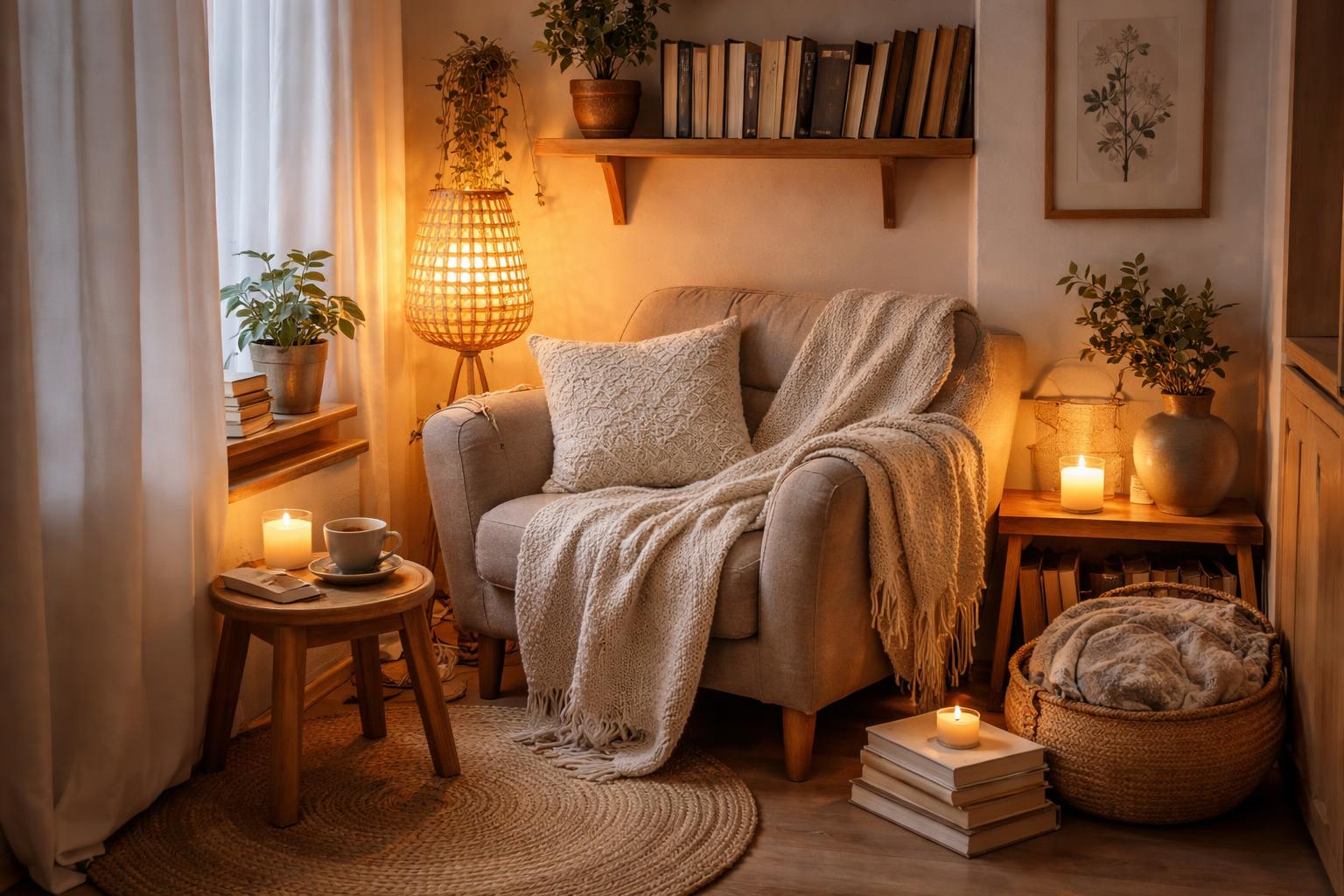
A media den is designed around viewing comfort and acoustic balance.
Key considerations include:
Reduced glare surfaces
Dimmable lighting
Soft, absorbent textiles for sound control
This creates a focused yet comfortable entertainment environment.
13. Zen-Inspired Den (Minimal Cognitive Load Design)
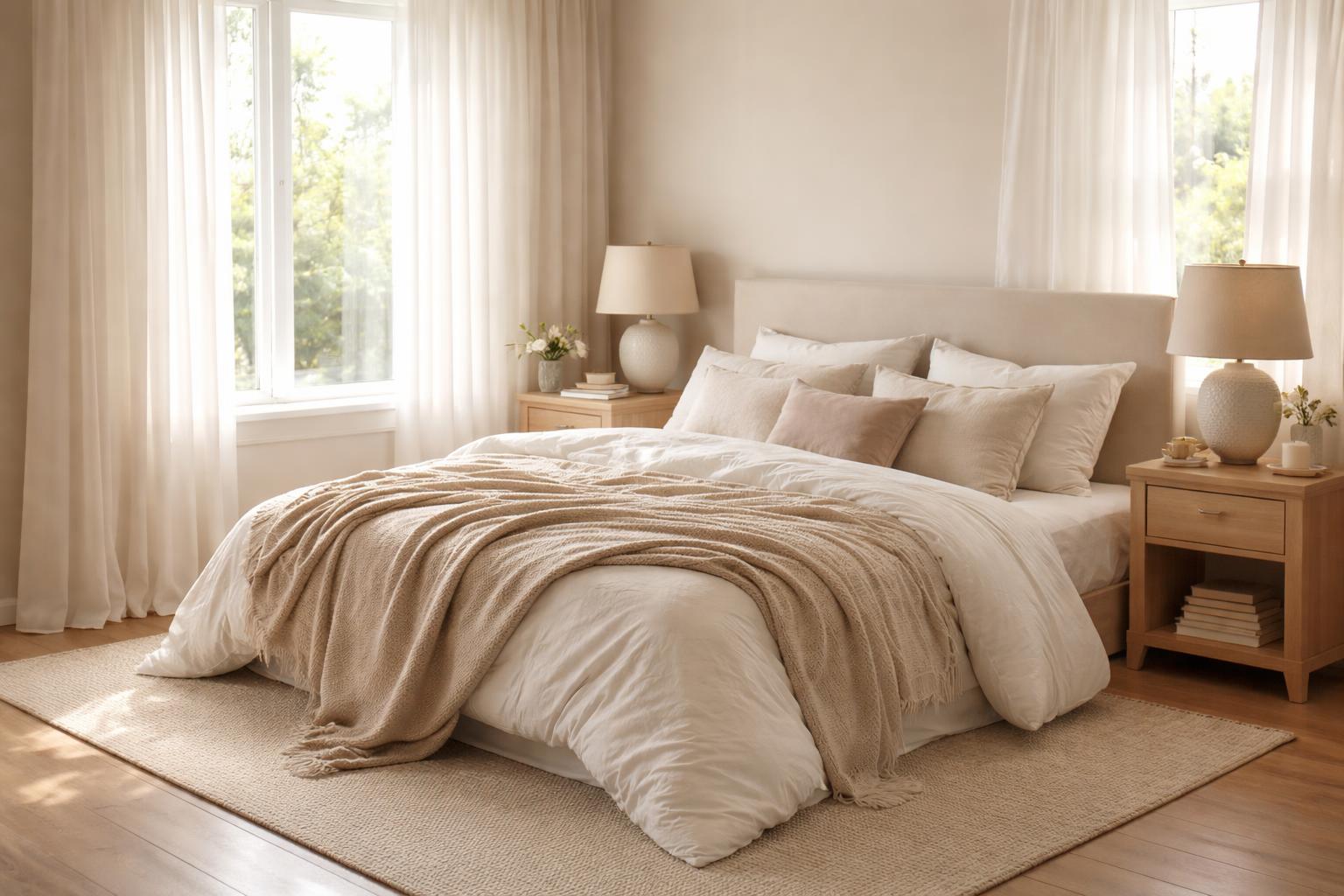
Zen design is centered on reducing visual stress.
Every item is intentional. Empty space is not wasted—it is functional.
Natural materials and minimal furniture create a calm psychological environment.
14. Travel-Inspired Den (Curated Narrative Design)

This style integrates personal travel artifacts into a structured display system.
The key is curation, not collection overload.
A neutral base ensures that each item contributes meaningfully to the visual story.
15. Soft and Feminine Den
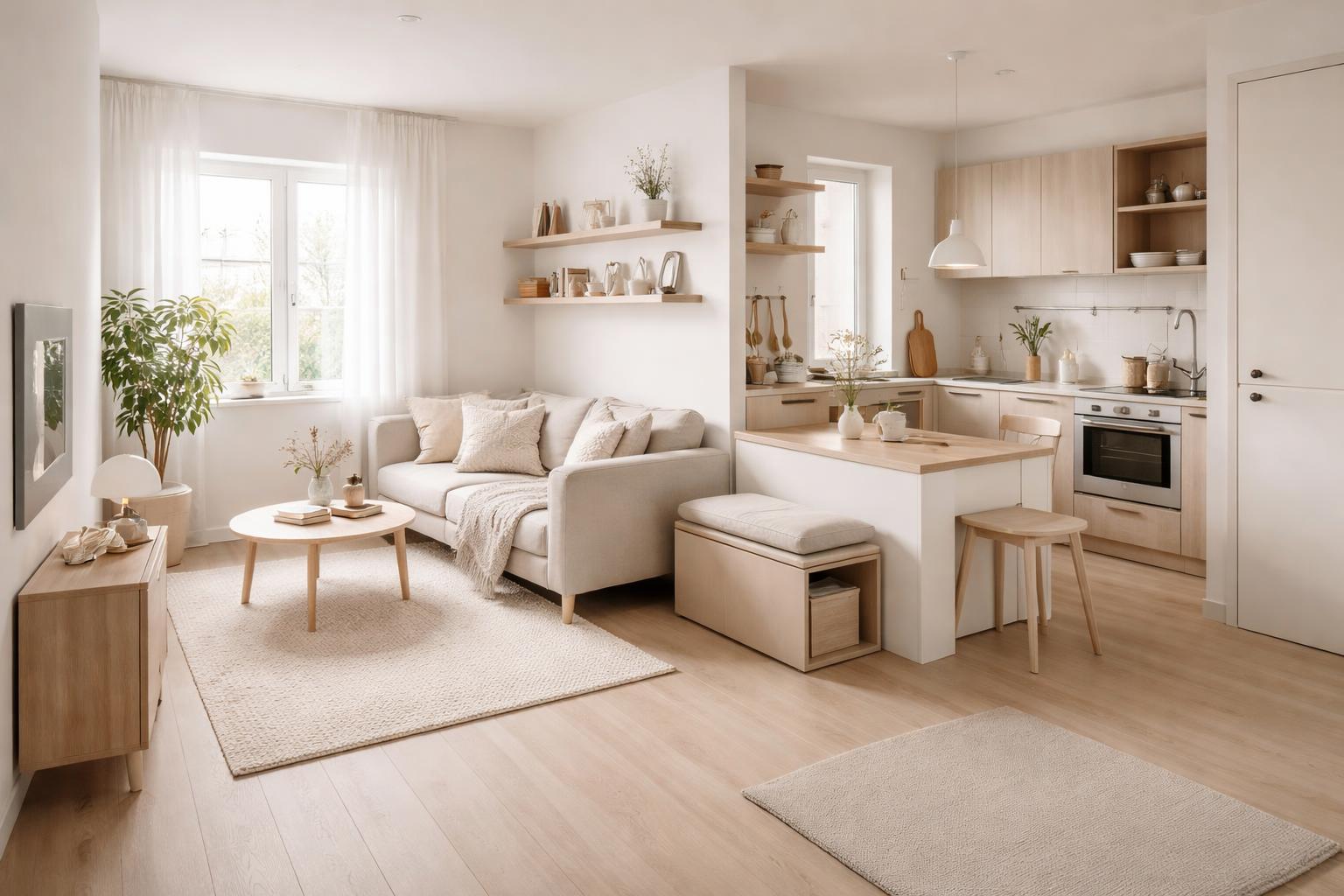
Use light colors like blush, cream, and soft neutrals to create a gentle and cozy environment. Add soft fabrics and subtle decor elements like candles or flowers for warmth.
16. Masculine Cozy Den

A masculine den uses darker tones, structured furniture, and materials like leather. Balance the look with warm lighting and soft textures to maintain comfort.
17. Family-Friendly Den

A family-friendly den should prioritize comfort, durability, and organization. Furniture needs to be both practical and comfortable enough for daily use.
Choose easy-to-clean materials and include smart storage solutions like baskets, shelves, or hidden compartments. This helps keep the space tidy without sacrificing comfort. The goal is to create a room that feels relaxed but still well-managed.
18. Transitional Cozy Den
Transitional design blends modern and traditional elements. Use neutral tones, simple furniture, and soft textures to create a balanced and timeless look.
19. Nature-Inspired Den

Bring the outdoors inside by using plants, wood, and earthy tones. Large plants can act as statement pieces while also making the space feel fresh and calming.
20. Home Office Den
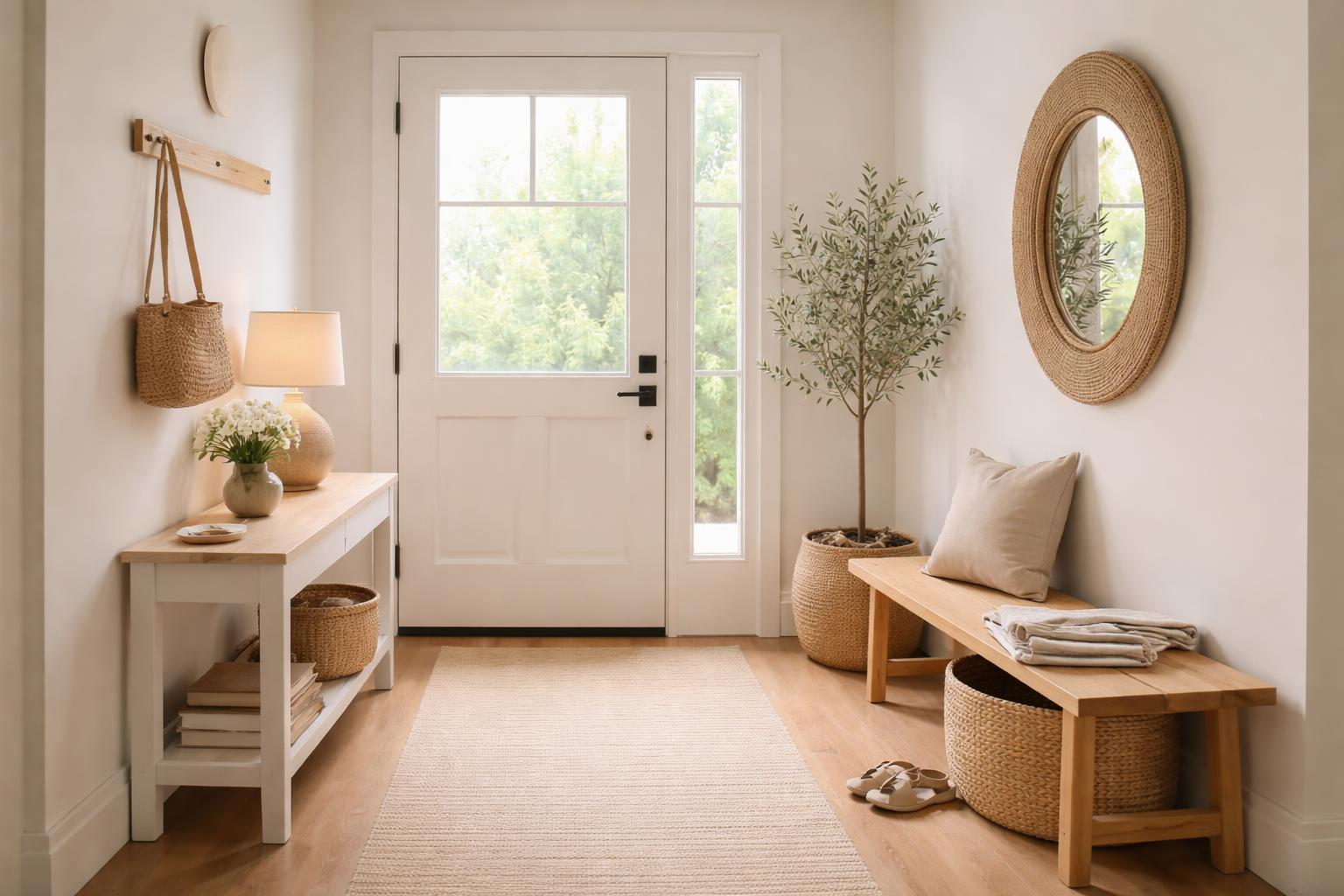
A home office den should balance productivity with comfort. A simple desk setup is important, but the space should not feel overly rigid or stressful.
Good lighting is essential, especially natural light during the day. A comfortable chair and a soft rug can help reduce fatigue and make long work hours easier. Adding a small relaxation corner also helps separate work and rest within the same space.
🧠 How Interior Designers Combine Styles Without Visual Clutter
In professional projects, style mixing is never random. It follows a controlled layering method:
Choose one dominant design language
Introduce one secondary influence only
Maintain a neutral foundation
Repeat materials for visual cohesion
Without this structure, spaces lose clarity and become visually fragmented.
🪑 Professional Den Design Workflow (Used in Interior Projects)
Design does not begin with decoration. It begins with function.
A standard workflow includes:
Defining the purpose of the room
Establishing layout flow
Selecting core furniture pieces
Designing layered lighting
Adding texture for depth
Only after these steps is decorative styling introduced.
⚠️ Common Design Errors (Professional Insight)
Overfilling the space with furniture
Relying on a single overhead light source
Mixing unrelated design systems
Ignoring comfort in favor of appearance
Leaving visual gaps or imbalance in layout
❓ Frequently Asked Questions
What makes a den feel professionally designed?
A combination of structured layout, layered lighting, and consistent material choices.
How do I make a small den feel larger?
Light tones, mirrors, and reduced furniture density improve spatial perception.
What lighting works best?
A layered system combining ambient, task, and accent lighting.
Can I design a den on a budget?
Yes—focus on layout, lighting, and textiles before decor investments.
What is the most important design factor?
Functionality aligned with comfort and spatial balance.
🌿 Final Perspective (Design Consultant Note)
A well-designed den is not defined by visual complexity or decoration volume. It is defined by clarity of purpose and controlled balance.
When lighting, layout, material selection, and comfort are aligned correctly, even a modest space becomes a highly functional and emotionally restorative environment.
In interior design practice, the most successful spaces are not the most decorated—they are the most intentionally structured.